
Generic vs. Brand Name Medications: Are You Overpaying?
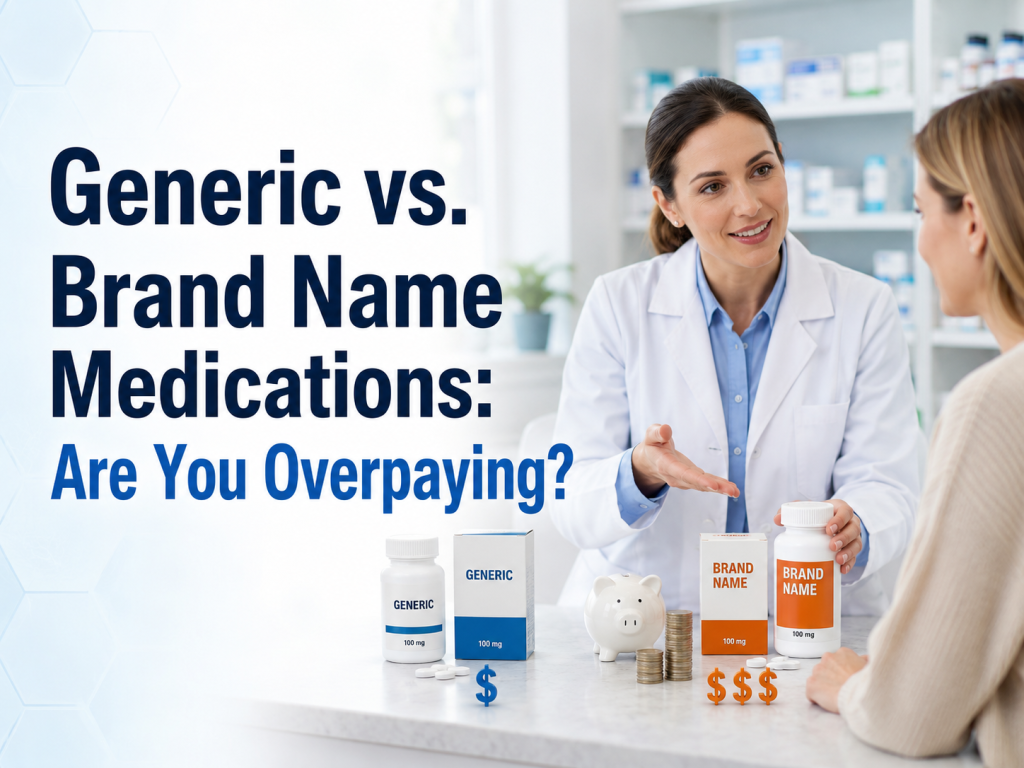
Prescription costs can add up quickly for people managing diabetes, high blood pressure, elevated cholesterol, arthritis, mental health conditions, or other long-term health concerns. When a pharmacy offers a generic medication instead of a familiar brand, some patients wonder whether they are receiving a lower-quality product. Others continue paying for the brand because they are uncertain whether switching is safe. A conversation with a pharmacist in Etobicoke can help determine whether an approved generic alternative is available, how much it may reduce the patient’s out-of-pocket expense, and whether there are clinical reasons to remain with a particular manufacturer. The answer is not always as simple as choosing the least expensive package. Health Canada requires generic medications to meet regulatory standards for quality, safety, effectiveness, pharmaceutical equivalence, and bioequivalence before they can be sold in Canada. However, drug-plan rules, non-medicinal ingredients, dosage forms, manufacturer changes, deductibles, dispensing fees, and individual treatment responses can influence the final decision. Key Takeaways What Is the Difference Between Brand Name and Generic Medication? A brand name medication is usually the first version of a drug brought to market by its manufacturer. The company develops the product, completes the required research, submits evidence to Health Canada, and markets the medication under a proprietary name. Patent and data-protection rules may temporarily prevent another manufacturer from selling a comparable generic product. A generic drug becomes available after the applicable protections have been addressed. Health Canada defines it as a pharmaceutically equivalent version of a reference medication. It must contain identical medicinal ingredients in the same amounts and use a similar dosage form. For example, a generic 10-milligram tablet must deliver the same medicinal ingredient and strength as its approved 10-milligram reference tablet. The word “generic” does not mean unregulated, weaker, counterfeit, or homemade. Before marketing a generic medication, its manufacturer must submit an Abbreviated New Drug Submission containing information about ingredients, manufacturing, quality testing, specifications, and comparative performance. Health Canada reviews the submission and issues a Notice of Compliance and Drug Identification Number only when regulatory requirements are satisfied. Generic products can look different because manufacturers may use different colours, tablet shapes, coatings, markings, fillers, binders, or flavouring agents. These non-medicinal ingredients cannot be allowed to change the product’s approved safety, quality, or effectiveness. The difference in appearance can nevertheless confuse patients, especially when the same medication changes colour after a refill. Are Generic Medications as Effective as Brand Name Drugs? For conventional generic drugs, Health Canada requires evidence of bioequivalence to the Canadian reference product. Bioequivalence means there is no significant difference in the rate and extent at which the medicinal ingredient becomes available in the body. This concept is related to bioavailability, which describes how much of a medication reaches the circulation and how quickly it gets there. Comparative studies commonly measure medication concentrations in the blood after volunteers receive the reference product and the proposed generic product under controlled conditions. When the products satisfy Health Canada’s applicable standards, they are expected to produce the same therapeutic effects and safety profile when used according to their approved labelling. Generic and brand name manufacturers must comply with federal quality requirements. Manufacturing facilities, ingredients, processes, and completed drug batches are subject to quality controls. Health Canada also monitors approved generic and brand name medications after they enter the market through adverse-reaction reports, safety reviews, labelling changes, inspections, and other regulatory measures. A lower price should therefore not be interpreted as evidence of reduced therapeutic value. Generic manufacturers can rely partly on evidence already established for the reference product while still conducting the comparative testing required for their own medication. Generics also generally enter the market after patent or data-protection periods, and competition among manufacturers can place downward pressure on prices. Why Some Patients Notice a Difference A patient may notice that a new tablet is larger, smaller, differently shaped, or more difficult to swallow. Another product may use a different coating, dye, sweetener, preservative, filler, or flavouring ingredient. These physical differences do not mean that the medicinal ingredient is weaker, but they may affect acceptability or tolerability for a small number of patients. Patients with a confirmed allergy or intolerance should tell the pharmacy before every new product is dispensed. The pharmacist can examine the product monograph, manufacturer information, and available ingredient data. A previous reaction should not automatically be blamed on generic status; the reaction may relate to the medicinal ingredient, an inactive ingredient, the illness itself, or another medication. Confusion can also create an apparent treatment problem. A person who does not recognize a newly shaped tablet may skip it, take an extra dose, or mistakenly combine it with leftover medication from another manufacturer. The Ontario College of Pharmacists identifies communication about brand or manufacturer changes as good practice because it reduces confusion about names, colours, shapes, and markings. Are You Paying More Than Necessary in Ontario? Generic medications are usually available at a lower cost than their reference brands. However, the amount a patient personally saves depends on the medication, quantity, pharmacy pricing, dispensing fee, deductible, co-payment, public coverage, private insurance, coordination of benefits, and whether the plan restricts reimbursement to the lower-cost interchangeable product. Many Canadian drug plans limit the amount they will reimburse for a brand name product after an approved generic becomes available. A patient who requests the brand without meeting the plan’s medical-exception criteria may be responsible for some or all of the price difference. The exact calculation varies, so patients should request a coverage check rather than assuming the brand and generic will have the same co-payment. Ontario’s public drug programs generally use formulary listings and interchangeability designations to determine eligible products and reimbursement. The Ontario Drug Benefit program covers most eligible costs for qualifying residents, subject to applicable deductibles and co-payments. The Trillium Drug Program may help Ontario households whose prescription expenses are high relative to household income. Being offered a generic medication does not necessarily mean the pharmacy is making a clinical change to a different drug.